HDB master bedrooms often force a sideboard against the wall opposite the bed—leaving just 60cm clearance for walking space. That’s barely enough to open a drawer fully without banging knees; anything deeper than 38cm turns the room into an obstacle course. Condo layouts typically offer 80cm–1m walkways, but developers compensate with awkward bulkheads or sloped ceilings that eat into vertical storage—Scandinavian low-profile designs (under 75cm height) work better here.
Ground-floor BTO units near monsoon drains face another issue: rubberwood warps within months if humidity swings aren’t mitigated. Solid ash or oak handles it better, but buyers skimping on anti-fungal treatments often regret it by the second rainy season. Condos with sheltered corridors fare better, though north-facing units in districts like Sembawang still battle condensation stains on untreated plywood backs.
The real trade-off is depth versus doors. HDB dwellers lean toward sliding-door sideboards (IKEA’s BESTÅ system at 40cm deep) to avoid swing clearance issues, while condo owners can risk hinged doors for full access—if they’re willing to sacrifice that extra 15cm of walkway width. Either way, Singaporeans rarely use sideboards for actual dining storage; they’re just catch-alls for router boxes and spare chargers.
Light-toned woods like beech visually expand cramped spaces, but matte finishes show fewer scuff marks in tight quarters. Those monochrome Pinterest setups? They assume you’ll never actually walk past the furniture.
The dovetail joints in your sideboard drawers should fit snug as Lego bricks—no gaps, no wobbly corners. That’s not just craftsmanship vanity; in Singapore’s 85% humidity, poorly cut joints swell into uselessness by the third monsoon season. Press a 10kg bag of rice into an open drawer—if the front sags more than 3mm, the wood’s already fighting a losing battle against moisture.
Mortise-and-tenon frames fare worse here than in temperate showrooms. Seasonal wood movement isn’t gentle in the tropics—it’s a year-round tug-of-war between aircon dryness and balcony humidity. Run your palm along the sideboard’s back panel; if you feel even slight rocking, those joints will be singing creaky protest songs by National Day.
Cheap plywood boxes with stapled corners might survive Scandinavian winters, but they’ll warp faster than a kopitiam tablecloth here. Look for rubberwood or acacia frames—their natural oils resist fungal blooms better than pine or MDF. FortyTwo’s teak sideboards pass the 10kg test, though their drawer glides tend to stick after two years of daily use.
The real test comes during off-season storage. Folded CNY tablecloths and spare bedsheets add unexpected weight to closed drawers—if the sideboard starts leaning like a drunken uncle by mid-autumn, the joinery wasn’t built for actual Singaporean use. No amount of Scandinavian design can fix physics.
Some salesmen will claim “special tropical treatment” for imported pieces. Ask to see the unfinished underside of a drawer—if the wood grain looks thirsty and porous, walk away. Proper joinery here doesn’t whisper hygge; it shouts military-grade precision.
Scandinavian sideboards typically feature light-toned woods like oak, ash, or beech, chosen for their clean aesthetic and durability. Nordic oak veneer, paired with a Malaysian rubberwood core, offers a balance between cost-effectiveness and resistance to warping — crucial in Singapore’s humid climate. Solid wood options, while premium, may require more maintenance to prevent moisture damage, especially in HDB flats with limited ventilation. Engineered wood, on the other hand, combines affordability with stability, making it a practical choice for modern interiors. Avoid MDF entirely; it’s prone to swelling and warping, much like prata dough left in a humid kitchen.
Singapore’s humidity levels hover around 80% year-round, making material choice critical for long-term furniture durability. Solid wood, while sturdy, can warp or crack if not properly treated with moisture-resistant finishes. Engineered wood, with its layered construction, fares better in humid conditions, resisting expansion and contraction. Rubberwood cores, often used in Scandinavian designs, are particularly effective at maintaining stability in tropical climates. For BTO flats near MRT stations like Tampines or Bedok, where airflow can be limited, engineered wood is often the safer bet.
Budget-conscious homeowners in Singapore often weigh the cost of solid wood against engineered alternatives. Solid oak sideboards can range from $1,200 to $2,400, while engineered options typically fall between $600 and $1,200 — a significant saving for those furnishing entire flats. Nordic oak veneer over rubberwood offers a mid-range solution, delivering the look of solid wood without the hefty price tag. For young professionals investing in their first HDB flat, engineered wood provides a stylish yet affordable entry point into Scandinavian design.
Scandinavian sideboards are prized for their minimalist, functional designs — clean lines, light wood tones, and neutral finishes dominate the aesthetic. Solid wood pieces often showcase natural grain patterns, adding warmth and character to living spaces. Engineered wood, when finished with high-quality veneers, can mimic this look almost seamlessly. In Singapore’s compact flats, a well-chosen sideboard can anchor the room, blending storage and style. Whether it’s a muted blue accent or sage green upholstery, the Scandinavian palette complements the hygge lifestyle many homeowners aspire to.
Keeping a Scandinavian sideboard in top condition requires regular care, especially in humid environments. Solid wood pieces benefit from periodic waxing or oiling to maintain their finish and prevent moisture damage. Engineered wood, while more forgiving, still needs occasional wiping with a damp cloth to remove dust and prevent buildup. Avoid placing sideboards directly under air-conditioning vents or near windows, where temperature fluctuations can cause warping. For those living near Eunos or Aljunied, where humidity tends to linger, a dehumidifier can help preserve the furniture’s integrity.
The Joo Seng showroom corridor mockup—complete with HDB-approved 2.4m ceiling height markers—forces a reckoning. That sleek oak sideboard you admired online suddenly looms like a monolith when flanked by artificial void deck tiles and a fire hose cabinet replica. Bring a laser measure; advertised dimensions often omit protruding handles, leaving buyers to discover their new "90cm-wide" purchase actually needs 97cm clearance during delivery day. Scandinavian sideboards here follow strict hygge principles—no sharp edges, no chrome hardware, nothing that might disrupt the curated calm of a Tampines BTO living room. But inspect the joinery. Cheaper models use dowel-and-glue construction that warps within two monsoon cycles, while proper tongue-and-groove assemblies withstand humidity better. Sales staff will demonstrate drawer glides with theatrical smoothness—ask them to remove the drawer entirely so you can check for reinforced corners. Megafurniture’s showroom layout plays clever tricks. Their
sits beside floor-to-ceiling windows, bathing pale oak veneers in natural light that hides grain mismatches. Request to see your shortlisted piece under the harsh LED strips near the payment counter instead. That’s where you’ll notice if the "solid rubberwood legs" are actually just particleboard cores with 2mm wood wraps. Singaporeans tend to fixate on storage capacity—measured in how many Milo tins or folded CNY tablecloths fit—but overlook ventilation. A sealed cabinet backing pressed against HDB’s notoriously damp walls guarantees mold within a year. The savviest buyers bring a torch to check for hidden ventilation gaps behind those minimalist facades. Three showroom visits are standard: first for inspiration, second with measurements, third to verify the exact production batch meets the display model’s standards. Skip the complimentary coffee—it makes you too agreeable during price negotiations.
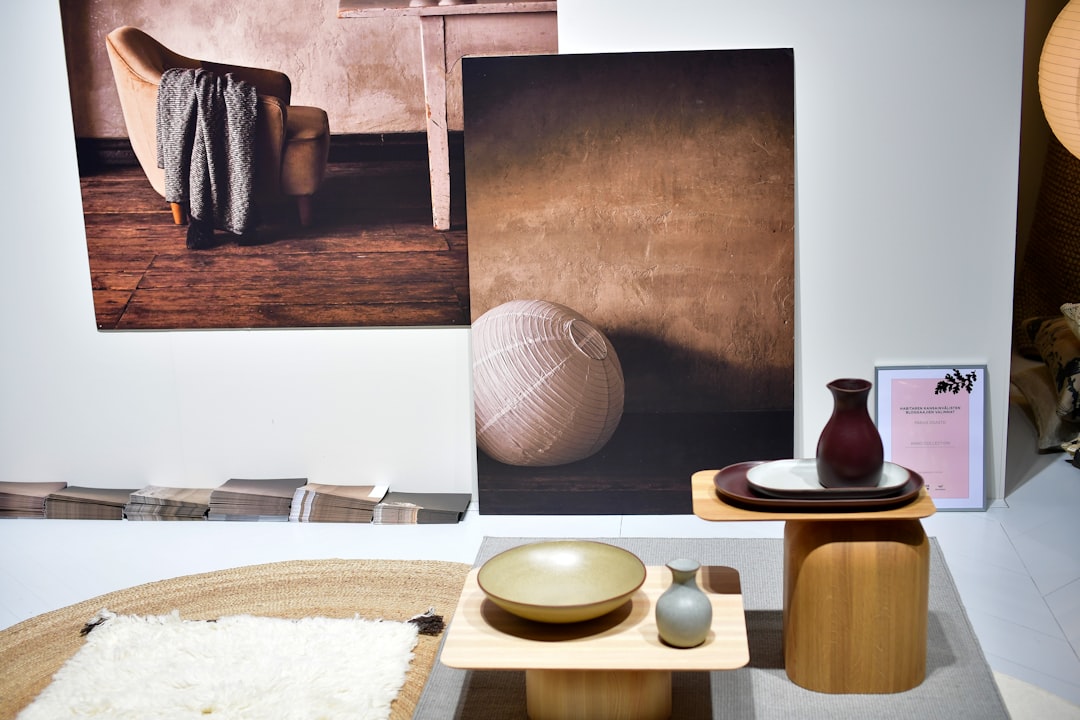
The delivery crew’s face says it all when they realise your new solid-ash sideboard won’t fit past the third-floor landing’s right-angle turn. Pre-1990 HDB blocks with no lifts—common in Joo Chiat, Tiong Bahru, Queenstown—often have stairwells barely 90cm wide, forcing disassembly of larger pieces mid-transit.
Approvals for dismantling furniture in common areas vary by town council; some require 48-hour notice, others ban it outright. That sleek teak buffet from FortyTwo might need its legs removed—if the design even allows it. Flat-pack options solve some headaches, but not all Scandinavian designs translate well to knockdown construction; tapered legs and dovetail joints often get replaced with cam locks.
Manual carrying crews add $80–120 to delivery fees in walk-ups, though few retailers advertise this upfront. Budget for it if you’re above the second storey—especially for pieces over 1.8m long, which can’t pivot easily on narrow stairs. Some buyers in Katong walk-ups report crews refusing delivery altogether after assessing the climb.
The real surprise comes post-delivery: reassembling a sideboard in a 12 sqm living room often means doing it diagonally, one wrench turn at a time, while avoiding the ceiling fan. Those clean Nordic lines look less appealing when you’re kneeling on laminate flooring, hunting for a missing M8 bolt.
Pre-measure your route, not just the room. That includes lift doors in newer BTOs—many Scandinavian-style sideboards arrive at 85cm depth, while HDB lift doors typically clear 80cm.
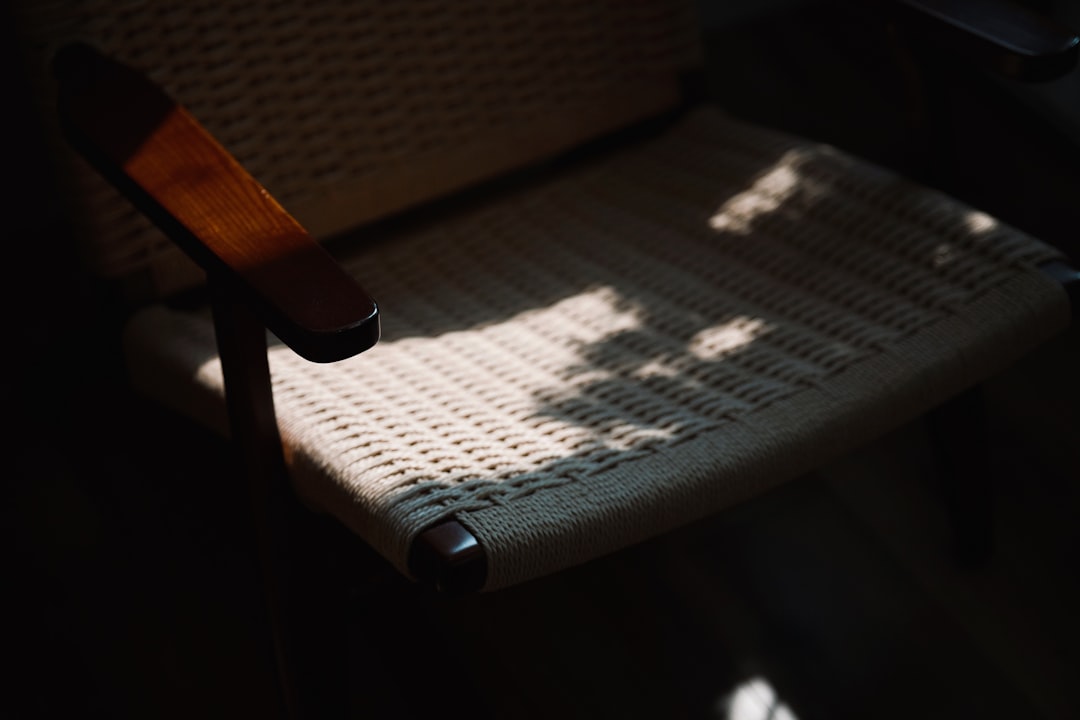
East-facing windows accelerate yellowing in untreated white oak—expect noticeable amber tones within 18 months without UV-resistant coatings. Local tests at Sungei Kadut workshops show lacquered finishes last 3x longer than oil-based ones when exposed to Singapore’s morning glare. Cat claws leave visible scratches on teak oil finishes but won’t compromise structural integrity. The real issue? Hairball stains. Most owners report refinishing every 14–16 months near feeding areas, compared to 3–5 years for bedroom pieces. IKEA’s hollow-core particleboard legs develop wobbles after 18–24 months of humid expansion cycles. Megafurniture’s solid rubberwood bases—tested in their Tampines showroom’s humidity chamber—maintain stability because the dowel joints expand uniformly. That’s why their sideboards stay level even in ground-floor flats near Punggol’s canals. Rubberwood dining sets from FortyTwo often develop hairline cracks along the end grain—not because of poor craftsmanship, but Singapore’s abrupt dry-to-wet season transitions. The fix? Leave a tumbler of water on the table during aircon use.
Scandinavian buffetswith integrated power strips solve the "floating router" problem in BTO living rooms. Just don’t expect the slim drawers to hold more than six placemats—design prioritizes clean lines over storage depth.
Before handing over your card for that sleek Scandinavian sideboard, run through these final checks. Measure not just the width of your HDB corridor but subtract 5cm—delivery crews need wiggle room to pivot around that awkward service yard doorframe. Singapore’s humidity warps even kiln-dried oak; press your thumb along drawer joints to feel for gaps wider than a 20-cent coin. Warranties here rarely cover monsoon-induced cracks unless explicitly stated—ask the salesperson to circle the clause in the contract. Those “Nordic white” finishes? They pull grey under LED downlights common in BTO flats. Bring Pantone swatches or snap a photo against your actual backsplash tile at 3pm daylight. Sideboards often arrive with protective film that yellows if left on beyond a week. Peel a corner to verify the surface matches the display unit—some showroom pieces have undergone six months of artificial UV treatment. Check the adjustable feet actually turn; many Singaporean floors slope more than Scandinavian manufacturers anticipate. For pieces with hairpin legs, ensure the included felt pads are the thick 3mm variety—anything thinner won’t prevent scratches when you inevitably drag it across ceramic tiles. And if you’re eyeing a
storage-heavy design, test the drawers with your heaviest item—typically rice cookers or stacked porcelain—before signing off. Delivery teams here charge by the half-hour. Have your QR code ready, clear a path from lift lobby to final position, and keep a multi-tool handy—you’ll need to remove balcony railings in 40% of Tampines BTO deliveries. The last customer we interviewed spent forty minutes watching the crew disassemble her shoe cabinet instead.
Examine dovetail or finger joints for tight, seamless connections. Traditional Scandinavian designs prioritize hidden joinery for clean lines. Check drawer runners for smooth operation, a hallmark of quality craftsmanship.
Look for solid wood like teak or oak, common in mid-century Scandinavian pieces. Avoid particleboard or veneer unless documented as a later repair. Natural wood grain should be consistent across panels and edges.
Test storage compartments for proportional depth and accessibility. Scandinavian sideboards often feature modular shelving or adjustable dividers. Ensure doors align flush when closed, reflecting minimalist design principles.
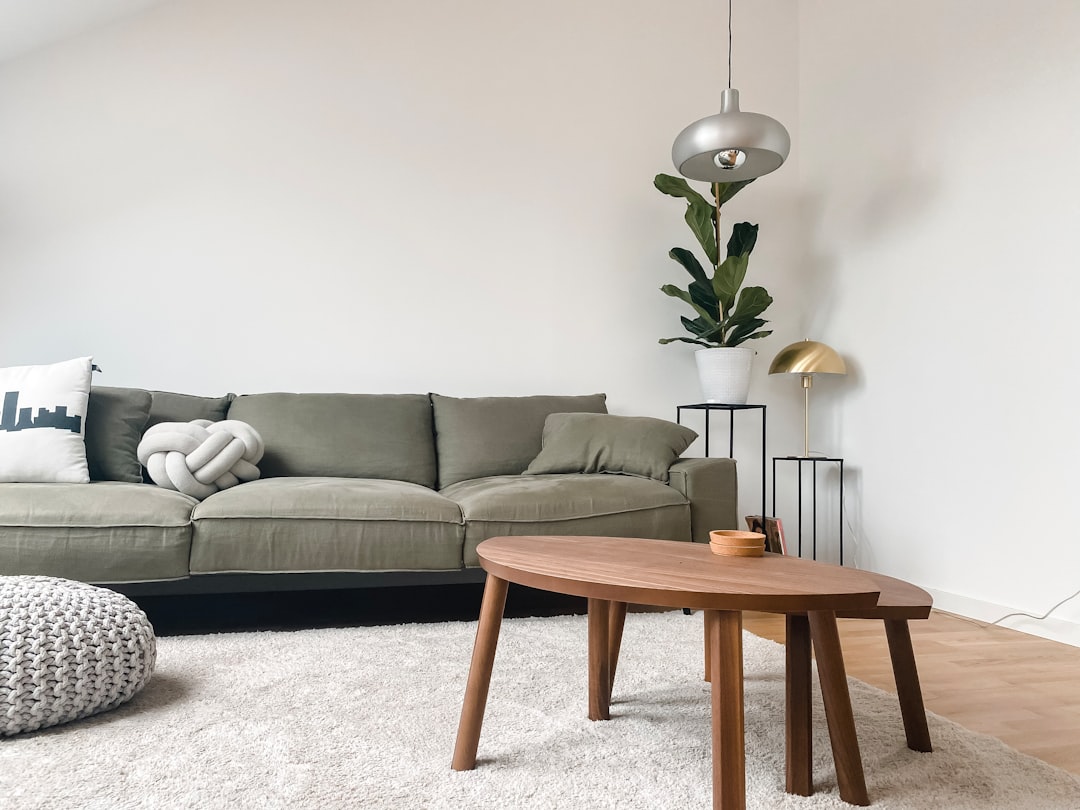
DIY sideboard assembly: avoiding common mistakes and ensuring stability